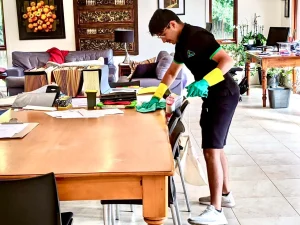
Complete House Cleaning Checklist
 Canberra Admin
Complete House Cleaning Checklist: A Practical Room-by-Room Guide
Written by Tonny Mutagubya | Founder of Canberra's Favourite Cleaner
Keeping a home clean is easier when there's a clear plan. Without one, it's easy to spend an afternoon wiping kitchen surfaces and vacuuming floors, only to realise that the bathroom mirrors, bedroom shelves or laundry area still need attention. A practical house cleaning checklist helps organise these jobs. It gives each room its own set of tasks, makes it easier to remember overlooked areas and helps households build a cleaning routine that works around their daily responsibilities. Whether you manage household chores yourself or occasionally arrange help, this guide covers the essential tasks involved in maintaining a clean home. It includes kitchen, bathroom, bedroom, living area and laundry cleaning checklists, along with often-forgotten household tasks, an end-of-lease checklist and a practical daily, weekly and monthly cleaning schedule.
How to Use a House Cleaning Checklist
The easiest way to clean a home is to divide the work into smaller tasks instead of trying to tackle every room at once. Start by walking through the property and identifying the areas that need the most attention. A kitchen used several times a day may need more frequent attention than a spare bedroom.
Before starting:
-
Gather suitable cleaning products and equipment.
-
Put away loose belongings and personal items.
-
Identify surfaces that need special care.
-
Start with higher surfaces before cleaning lower ones.
-
Complete one room before moving to another.
-
Finish with vacuuming or mopping suitable floors.
A room-by-room checklist also makes it easier to divide household responsibilities between family members. Each person can take responsibility for a particular room or group of tasks.
Kitchen Cleaning Checklist
Kitchens collect food crumbs, grease, fingerprints and everyday marks. Because cooking and food preparation happen regularly, some surfaces need attention more often than others. Use this kitchen cleaning checklist to keep track of the main tasks.
Kitchen Benchtops and Surfaces
-
Remove loose items from benchtops.
-
Wipe food preparation surfaces.
-
Clean visible spills and food marks.
-
Wipe the splashback.
-
Clean around the sink and taps.
-
Wipe cupboard doors and handles.
Kitchen Appliances
-
Wipe the exterior of the refrigerator.
-
Clean the outside of the microwave.
-
Wipe the stovetop.
-
Clean the exterior of the oven.
-
Wipe appliance handles.
-
Check around appliances for visible crumbs and dust.
Kitchen Floors and Finishing Tasks
-
Remove visible crumbs and debris.
-
Sweep or vacuum the floor.
-
Mop suitable hard flooring.
-
Wipe lower cupboard surfaces.
-
Empty the kitchen bin.
-
Check corners and edges for missed dirt.
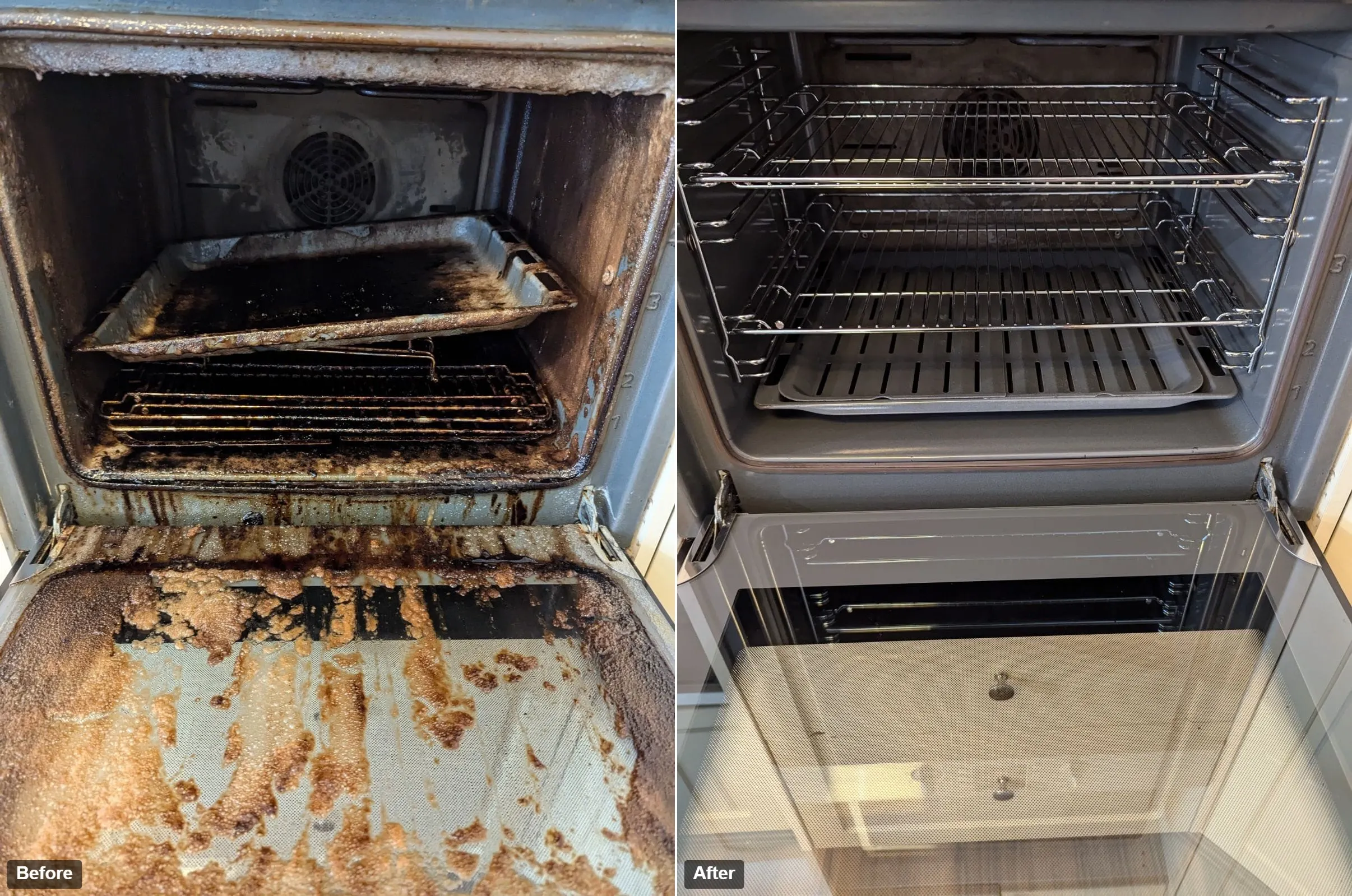
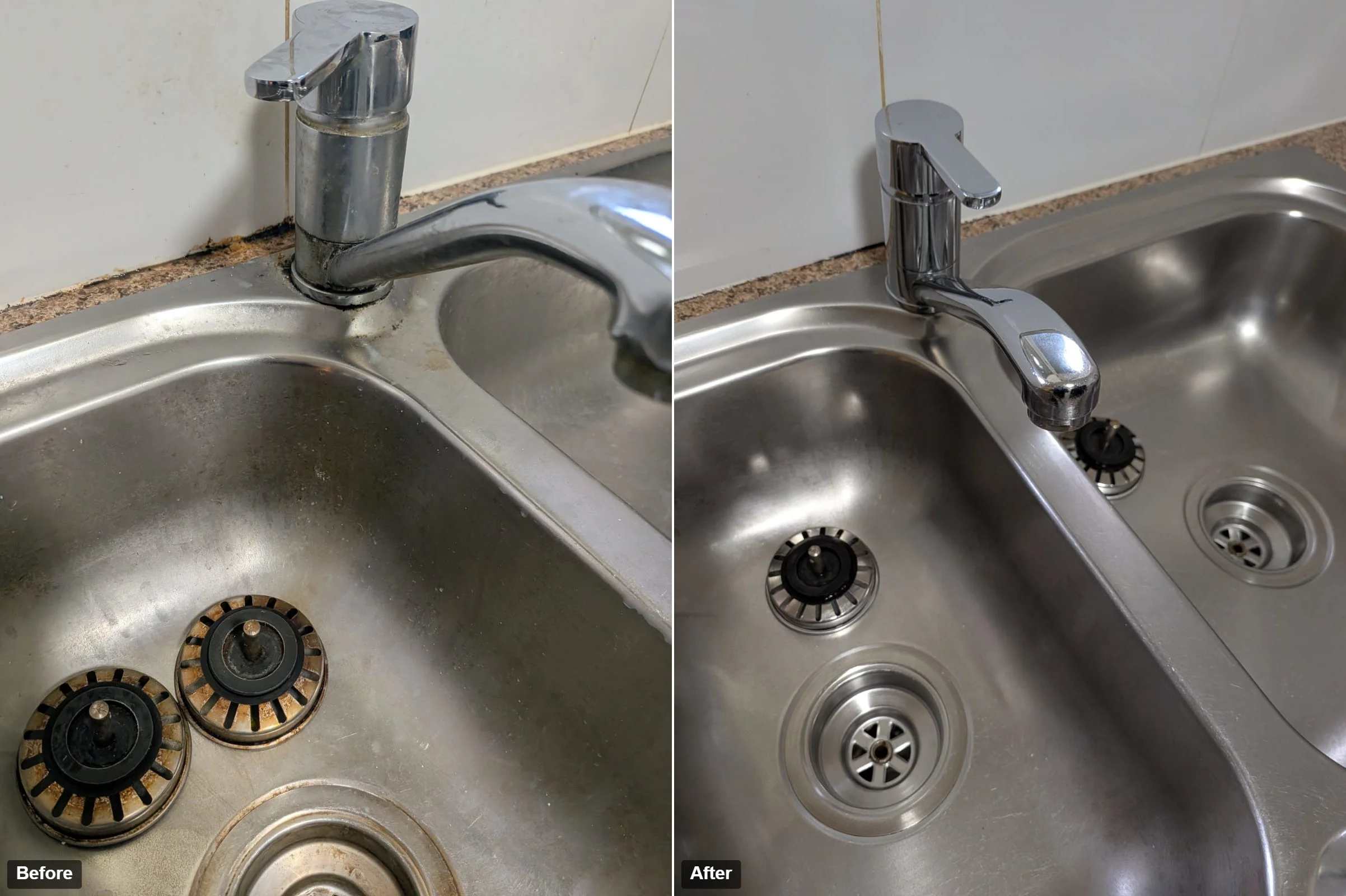
A commonly overlooked area: The edges around kitchen taps, cupboard handles and the joins between benchtops and splashbacks can collect grime even when the rest of the kitchen looks clean. Oven interior and refrigerator interior cleaning require additional attention and should be planned separately from ordinary surface cleaning.
Bathroom Cleaning Checklist
Bathrooms need consistent attention because water, soap residue and everyday use can leave marks on several surfaces. A bathroom cleaning checklist helps prevent smaller jobs from being forgotten during routine cleaning.
Shower and Bathtub
-
Remove loose toiletries and bottles.
-
Clean shower surfaces.
-
Wipe shower screens and glass.
-
Remove visible soap residue.
-
Clean the bathtub and surrounding surfaces.
-
Wipe taps and shower fittings.
-
Check shower corners and screen tracks for visible build-up.
Toilet and Vanity
-
Clean the toilet bowl.
-
Wipe the toilet seat and exterior.
-
Clean the basin.
-
Wipe taps and handles.
-
Clean vanity surfaces.
-
Remove toothpaste marks and visible water stains.
Bathroom Finishing Tasks
-
Clean mirrors.
-
Wipe cupboard fronts.
-
Remove visible dust and cobwebs.
-
Clean suitable tiles and surfaces.
-
Sweep and mop suitable flooring.
Bathroom Mould and Ventilation
Bathrooms can develop mould when moisture remains on surfaces or ventilation is insufficient. Shower corners, silicone seals and screen tracks are areas worth checking regularly. A few simple habits can help reduce persistent moisture:
-
Use the bathroom exhaust fan when showering, where available.
-
Open windows when appropriate to improve ventilation.
-
Allow wet surfaces to dry after use.
-
Check shower seals and corners for recurring mould.
-
Address leaks or persistent moisture rather than repeatedly wiping the same area.
For visible mould, use an appropriate product according to its label and the surface manufacturer's instructions. Never mix cleaning chemicals, particularly bleach with acidic or ammonia-based products. If mould keeps returning or covers a substantial area, professional assessment may be more appropriate than routine surface cleaning.
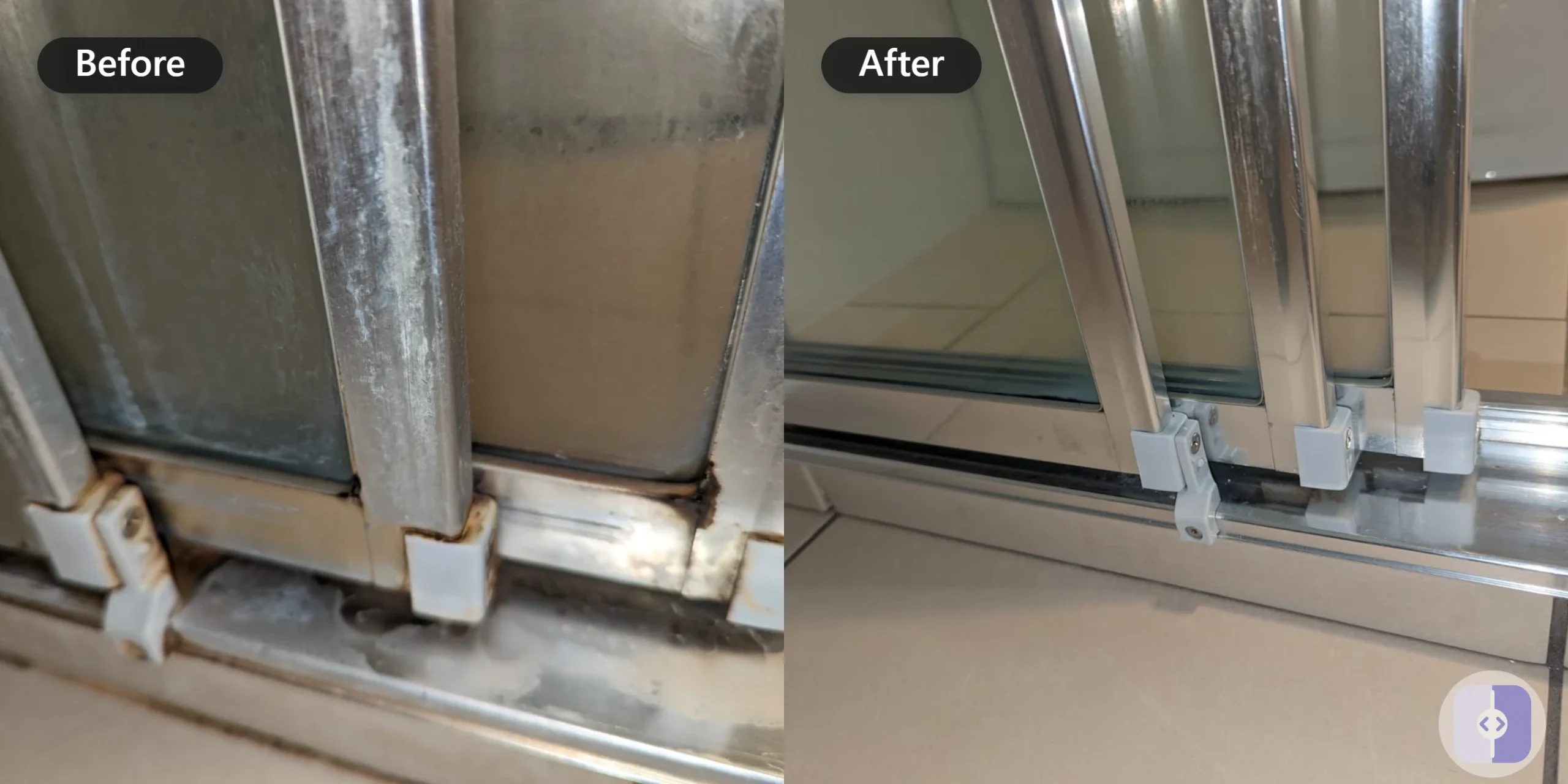
A practical reminder: Shower screen tracks, silicone edges and the areas around taps can be missed during a quick bathroom tidy-up. Giving them attention during routine cleaning can help prevent visible build-up.
Bedroom Cleaning Checklist
Bedrooms are used every day, but some areas receive less attention than others. Dust can collect on bedside tables, furniture, shelves and other surfaces.
Furniture and Surfaces
-
Make the bed and straighten bedding.
-
Dust bedside tables.
-
Wipe furniture surfaces.
-
Clean mirrors.
-
Dust shelves and decorative items.
-
Wipe wardrobe exteriors.
-
Clean cupboard handles.
Bedroom Floors and Finishing Tasks
-
Pick up loose clothing and belongings.
-
Remove visible dust and cobwebs.
-
Vacuum carpets and rugs.
-
Clean around movable furniture.
-
Sweep or mop suitable hard flooring.
-
Empty the bedroom bin.
If a property has several bedrooms, completing one room before moving to the next makes it easier to keep track of finished tasks.
Living Area Cleaning Checklist
Living areas are shared spaces where dust, crumbs and everyday marks can accumulate on furniture, floors and frequently used surfaces.
Furniture and Entertainment Areas
-
Dust coffee tables and side tables.
-
Wipe furniture surfaces.
-
Clean television units.
-
Dust shelves and decorative surfaces.
-
Wipe window sills.
-
Clean mirrors and glass.
-
Straighten cushions and throws.
Living Area Floors
-
Vacuum carpets and rugs.
-
Remove visible debris around furniture.
-
Check corners for dust and cobwebs.
-
Clean underneath movable furniture where practical.
-
Sweep and mop suitable hard floors.
Sofa edges, coffee table areas and corners can collect dust and crumbs without being immediately noticeable. For households needing more than routine vacuuming, specialised carpet care may be worth considering. See the Carpet Cleaning Canberra page for more information.
Laundry Cleaning Checklist
Laundry areas are often overlooked when planning household cleaning. However, detergent residue, dust and lint can accumulate around appliances and work surfaces. Use this checklist to keep the laundry organised:
-
Wipe laundry benchtops.
-
Clean the laundry sink.
-
Wipe taps and surrounding surfaces.
-
Clean washing machine exteriors.
-
Wipe dryer exteriors.
-
Dust shelves and cupboard fronts.
-
Remove visible lint and dust.
-
Sweep or vacuum the floor.
-
Mop suitable hard flooring.
Cleaning inside washing machines, dryer filters and appliance components is a separate maintenance task. Follow the manufacturer's instructions when carrying out appliance maintenance.
Other Often-Forgotten House Cleaning Tasks
Some cleaning jobs do not belong to a particular room. They are easy to miss because they sit outside the main cleaning routine. Add these tasks to the house cleaning checklist when appropriate:
-
Dust skirting boards.
-
Wipe door handles.
-
Clean frequently touched switches.
-
Wipe window sills.
-
Remove visible cobwebs.
-
Clean door surfaces.
-
Dust suitable light fittings where safe.
-
Check corners and edges.
-
Clean behind movable furniture.
-
Wipe visible marks from suitable surfaces.
Windows are another area worth considering. Regularly cleaning glass, frames and sills can make a noticeable difference to a room. For more specialised window care, see the Window Cleaning Canberra page. Not every task needs to be completed during every cleaning session. Some are better included in a less frequent maintenance routine.
End-of-Lease Cleaning Checklist
Moving out of a rental property involves more than packing boxes and arranging transport. Cleaning also needs careful planning, particularly when preparing for a final property inspection. The following end-of-lease cleaning checklist provides a starting point when organising a move-out clean.
Kitchen
-
Clean benchtops and splashbacks.
-
Clean the sink and taps.
-
Wipe cupboard interiors and exteriors where required.
-
Clean the stovetop.
-
Clean the oven interior.
-
Clean the refrigerator interior if required.
-
Remove visible food residue and grease.
Bathroom and Laundry
-
Clean the toilet, basin and taps.
-
Clean the shower and bathtub.
-
Remove visible soap residue.
-
Clean mirrors and bathroom surfaces.
-
Check shower tracks and corners.
-
Clean laundry surfaces and sink.
Bedrooms and Living Areas
-
Dust and wipe furniture surfaces.
-
Clean wardrobe interiors where required.
-
Remove visible marks from suitable surfaces.
-
Clean window sills and window tracks.
-
Remove visible cobwebs.
-
Vacuum carpets and rugs.
-
Sweep and mop suitable floors.
Final Inspection Preparation
-
Check cupboards and storage areas.
-
Remove personal belongings.
-
Check behind movable furniture.
-
Remove rubbish.
-
Review the property against the entry condition report and tenancy requirements.
Important: An ordinary household cleaning checklist is not automatically an end-of-lease cleaning standard. The tenancy agreement, property condition report and property manager's requirements should guide the final work. For information about the available cleaning arrangements, visit the House Cleaning Canberra service page and discuss the specific requirements of the property.
Daily, Weekly and Monthly Cleaning Schedule
Not every cleaning task needs to be completed every day. Dividing household chores into daily, weekly and monthly activities makes it easier to maintain a manageable routine.
Daily House Cleaning Tasks
These small jobs help prevent everyday mess from building up.
-
Wash dishes or load the dishwasher.
-
Wipe kitchen benchtops after cooking.
-
Clean visible food spills.
-
Put away loose belongings.
-
Wipe obvious bathroom splashes.
-
Tidy frequently used living areas.
Weekly House Cleaning Tasks
Weekly cleaning is a good opportunity to give commonly used rooms more attention.
-
Clean bathroom fixtures and surfaces.
-
Dust furniture.
-
Vacuum carpets and rugs.
-
Sweep and mop suitable floors.
-
Clean kitchen surfaces and appliance exteriors.
-
Change bed linen.
-
Empty household bins.
-
Clean mirrors and glass.
Monthly House Cleaning Tasks
Some jobs do not need attention every week but should still be included in a household maintenance routine.
-
Dust skirting boards throughout the home.
-
Clean window sills and door frames.
-
Dust ceiling fan blades where safe.
-
Clean less frequently used shelves.
-
Check behind movable furniture.
-
Clean around large appliances.
-
Inspect shower seals and corners for recurring moisture or mould.
-
Remove dust from less frequently used rooms.
These are suggested routines rather than fixed rules. The right frequency depends on the number of people in the household, pets, lifestyle and how quickly the home becomes dirty.
Common House Cleaning Mistakes to Avoid
Even with a good cleaning checklist, a few common mistakes can make household cleaning less effective.
1. Cleaning Floors Before Dusting
Dust from shelves and furniture can settle on floors. Work from higher surfaces downwards, then finish with vacuuming or mopping.
2. Using the Same Cleaning Cloth Everywhere
Use suitable cleaning cloths for different areas. Keep bathroom and kitchen cleaning materials separate to reduce the risk of cross-contamination.
3. Forgetting Frequently Touched Surfaces
Door handles, taps, switches and cupboard handles are easy to overlook. Include them in the regular cleaning routine.
4. Using Unsuitable Products on Delicate Surfaces
Some cleaning products can damage natural stone, timber finishes and other sensitive materials. Check product suitability before applying anything.
5. Trying to Complete Everything in One Session
Trying to clean an entire home in one go can be exhausting. Divide tasks across different days and focus on the rooms that need the most attention.
Frequently Asked Questions
What should a complete house cleaning checklist include?
A complete house cleaning checklist should cover the kitchen, bathroom, bedrooms, living areas, laundry and general household surfaces. It should also include dusting, vacuuming, mopping and frequently overlooked areas.
What order should I clean a house in?
Start by putting away loose belongings. Dust higher surfaces first, then clean furniture and benchtops. Work through bathrooms and kitchens before finishing with vacuuming and mopping. This helps prevent dust and debris from settling on floors that have already been cleaned.
How often should I clean my kitchen and bathroom?
Frequently used kitchen surfaces benefit from daily attention, while a more thorough clean can be scheduled weekly. Bathrooms also benefit from regular maintenance, with frequency depending on household size and use.
How long does it take to clean an entire house?
Cleaning time depends on the property's size, number of rooms, current condition and tasks required. A smaller, regularly maintained home generally requires less work than a larger property with significant built-up dirt. There is no single time estimate that applies to every household.
Should I prepare my home before cleaning?
Putting away personal belongings, clearing benchtops and identifying priority areas can make cleaning more organised. It is also helpful to mention delicate surfaces and additional requirements beforehand.
Do cleaning providers bring their own cleaning products and equipment?
This depends on the provider. Canberra's Favourite Cleaner supplies its own cleaning products and equipment. More information about the business and its approach is available on its official website.
Can I request a customised cleaning checklist?
Cleaning requirements can vary from one household to another. Customers can discuss their preferred rooms and priority tasks before an appointment. Canberra's Favourite Cleaner uses a customised checklist for regular domestic cleaning.
What's the difference between regular and deep cleaning?
Regular cleaning focuses on maintaining everyday household cleanliness. Deep cleaning generally involves more detailed attention to accumulated dirt and areas that may not receive attention during routine cleaning. The exact scope depends on the provider and agreed requirements.
For information about the available cleaning options, visit the House Cleaning Canberra service page.
Keep Your House Cleaning Routine Organised
A useful house cleaning checklist isn't about making every room spotless in a single day. It is about knowing which jobs need attention, keeping track of less noticeable areas and building a routine that works for the household. Start with the rooms used most often, work through the smaller tasks and adjust the schedule as household needs change. For more information about the business, visit Canberra's Favourite Cleaner, explore its House Cleaning Canberra service page or request a cleaning quote.

Tonny Mutagubya – Founder, Canberra's Favourite Cleaner
Tonny Mutagubya founded Canberra's Favourite Cleaner in 2018. His professional training includes hard floor restoration, fabric care, upholstery and carpet care. He leads a local cleaning business serving residential and commercial customers across Canberra and surrounding regional NSW. Learn more about .
- Categories
- Cleaning Tips