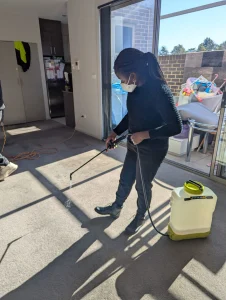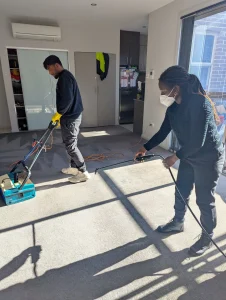
What Is Strata Cleaning
 Canberra Admin
What Is Strata Cleaning? A Canberra Guide to Common-Area Cleaning, Scope and Quotes
Strata cleaning is the regular cleaning of shared areas in apartment buildings, townhouse complexes and other multi-unit properties. It covers places such as entrances, hallways, stairwells, lifts, bin rooms and communal facilities rather than the inside of individual homes. In Canberra, strata ownership is known as unit title. An owners corporation manages the common property, including arrangements for its cleaning and maintenance. For strata managers and executive committee members, keeping these spaces clean involves more than booking a cleaner. You need to know which tasks are included, how frequently they should be completed and who follows up when something gets missed. This guide explains what strata cleaning involves, what it usually excludes, how to plan a cleaning schedule and how to compare quotes without overlooking important work.
What Is Strata Cleaning and Maintenance?
House cleaning looks after one household. Strata cleaning focuses on shared spaces used by residents, visitors, delivery drivers and other people entering a multi-unit property. That means cleaning arrangements often need to account for different floor surfaces, building access, shared facilities and changing levels of foot traffic. You'll also hear the term strata cleaning and maintenance. The two are related, but they aren't the same service. Cleaning keeps shared areas tidy, hygienic and presentable. Maintenance covers work such as repairs, equipment servicing and building upkeep. For example, wiping fingerprints from a lift mirror is cleaning. Repairing a faulty lift is maintenance. Understanding the difference helps avoid a familiar problem when managing contractors: one person assumes a task is included, while another believes it requires a separate arrangement.
What Does Strata Cleaning Include? An Area-by-Area Checklist
No two buildings have the same layout or facilities. A small Canberra townhouse complex may have a shared entrance, short pathway and bin enclosure. A larger apartment development might have lifts, long carpeted corridors, communal laundries and basement parking. Before agreeing on a cleaning scope, walk through the property and list the areas that actually need attention.
Common Area Cleaning Checklist
Our common area cleaning checklist covers the key shared spaces in residential and commercial buildings, helping maintain a clean, hygienic and welcoming environment for residents, visitors and staff.
| Area | Typical Cleaning Tasks | What to Inspect |
|---|---|---|
| Main Entrance and Lobby | Sweep or mop suitable floors, wipe accessible glass and handles. | Marks, leaves and grit near doorways. |
| Hallways and Corridors | Vacuum carpets or mop hard floors, dust agreed surfaces. | Corners, skirting boards and floor edges. |
| Stairwells | Clean steps and landings, wipe agreed handrails. | Dust, cobwebs, litter and spills. |
| Lifts | Clean suitable floors, mirrors and accessible touchpoints. | Fingerprints and floor marks. |
| Bin Rooms | Sweep or wash agreed areas, remove loose litter. | Leaks, spills and recurring odours. |
| Communal Laundries | Clean agreed benches, sinks and floors. | Residue, dust and visible spills. |
| Shared Toilets | Clean fixtures, floors and agreed touchpoints. | Dirt, odours and consumable needs. |
| Outdoor Common Areas | Sweep paths and entrance steps where agreed. | Leaves, dirt and potentially slippery areas. |
This is a planning checklist, not a standard package that every cleaning company automatically provides. A written cleaning scope should specify the areas, tasks, frequency and any exclusions.
What Strata Cleaning Usually Does Not Include
Routine cleaning typically involves sweeping, mopping, vacuuming, wiping surfaces and removing loose litter. Some tasks may require additional labour, specialist equipment or separate safety arrangements.
Carpet extraction. Vacuuming a shared hallway isn't the same as treating stains or deep-cleaning carpet. Carpeted corridors may occasionally need professionalcarpetcleaning.
Exterior window cleaning. Regular work may include accessible entrance glass. Exterior windows, particularly those requiring access at height, may need separate window-cleaning arrangements. Responsibility depends on the unit's plan and relevant agreements.
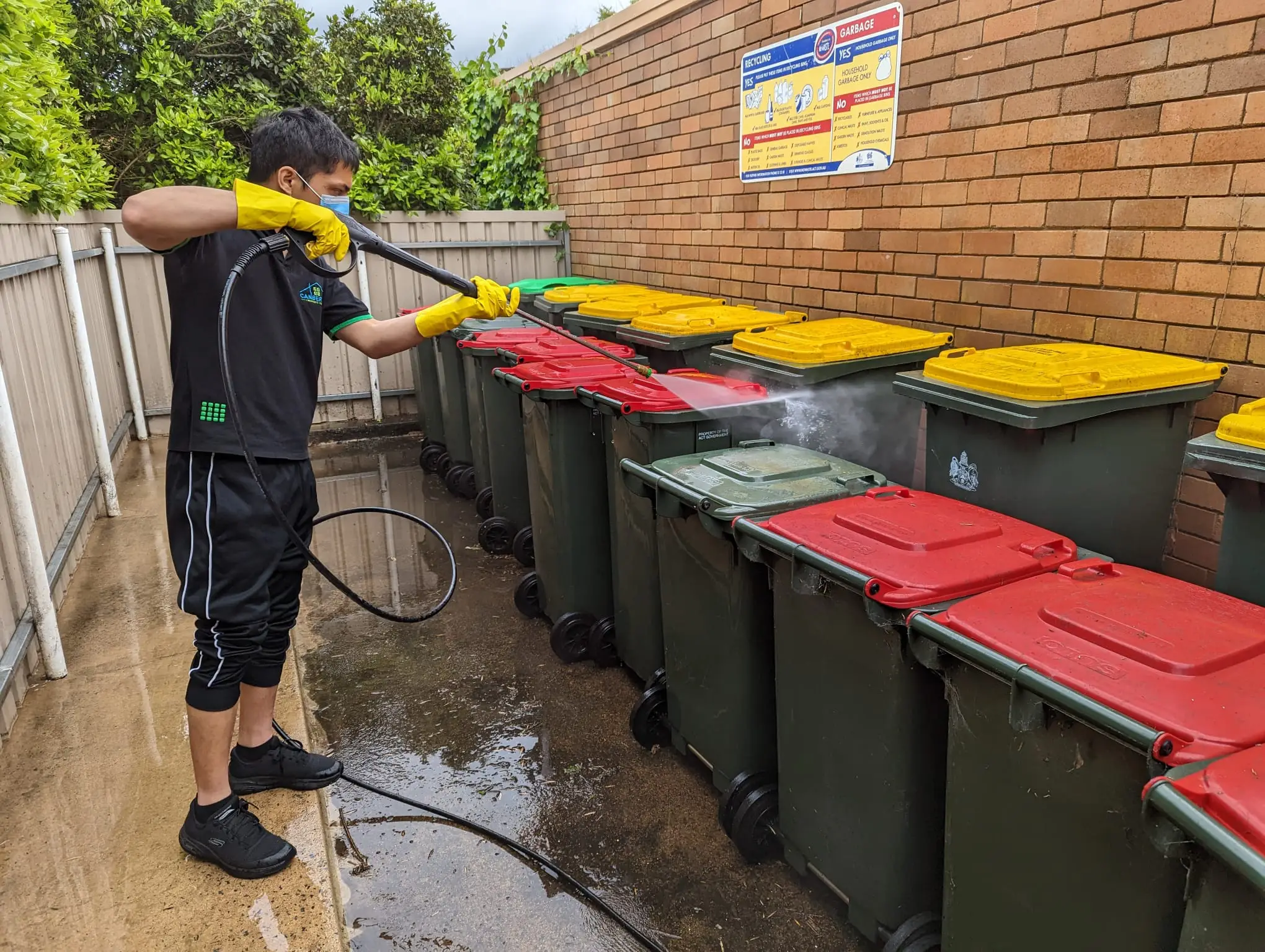
Pressure washing. Paths, paved areas and suitable outdoor surfaces may occasionally require pressure washing. This shouldn't be assumed to be part of a routine visit.
Bulk rubbish removal. Cleaning a bin storage area and arranging collection of unwanted furniture are different jobs.
Gardening and repairs. Landscaping, equipment servicing and building repairs generally fall outside routine cleaning.
Individual office tenancies. In a mixed-use building, cleaning private office interiors usually requires a separate agreement. The key is to establish what is included before work begins, not after a resident raises a complaint.
How Often Should Common Areas Be Cleaned?
There is no single cleaning frequency suitable for every apartment building in Canberra. A busy building with lifts and multiple shared facilities may need more frequent visits than a small property with limited common areas. The best schedule depends on how a space is used, how quickly it becomes dirty and what the owners corporation has agreed with the contractor.
Suggested Common Area Cleaning Schedule
A consistent cleaning schedule helps maintain shared spaces and keeps residential and commercial buildings clean, safe and welcoming. Cleaning frequency should be adjusted according to building usage, foot traffic and specific needs.
| Common Area | Suggested Starting Frequency |
|---|---|
| Busy Entrances and Lobbies | Several visits a week or daily checks. |
| Hallways and Corridors | Weekly, adjusted for foot traffic. |
| Stairwells and Handrails | Weekly. |
| Frequently Used Lifts | Two or three times weekly. |
| Bin Rooms | Around collection days and as needed. |
| Communal Laundries and Shared Toilets | Weekly or more often, depending on use. |
| Low-Traffic Shared Areas | Weekly or fortnightly assessment. |
| Corners, Edges and Cobwebs | Monthly detailed review. |
| Specialist Carpet, Window or Outdoor Cleaning | Periodically, based on condition. |
These are practical planning suggestions, not mandatory ACT-wide cleaning intervals. Buildings should consider their individual requirements and any relevant safety obligations.
How Canberra's Seasons Affect Cleaning
Canberra's changing weather can affect shared spaces. Autumn leaves may collect around entrances and stairwell corners. Windy conditions can bring dust indoors, while wet weather can leave moisture and grit on lobby floors. That doesn't mean every area needs extra cleaning. Imagine the entrance becomes dirty by Wednesday, but the upstairs corridors remain presentable. Instead of increasing every cleaning task, you could review the entrance schedule first. A short monthly inspection record helps identify where additional attention would actually make a difference.
Who Is Responsible for Common Area Cleaning in the ACT?
In the ACT, the owners corporation is responsible for maintaining common property and managing the units plan. The ACT Government's guidance on owning a unit identifies cleaning and gardening of common property among shared expenses funded through unit owners' levies. The relevant legislative framework includes the Unit Titles (Management) Act 2011. However, deciding on cleaning, arranging contractors and physically completing the work are separate responsibilities.
Who Is Responsible for What?
Maintaining clean and well-presented common areas requires cooperation between building management, cleaning contractors and residents. Each party has a different role in ensuring shared spaces remain clean, safe and properly maintained.
| Party | Typical Role |
|---|---|
| Owners Corporation | Responsible for common-property maintenance and relevant decisions. |
| Executive Committee | Handles day-to-day decisions within its authority. |
| Appointed Managing Agent or Strata Manager | May coordinate contractors and cleaning arrangements. |
| Cleaning Contractor | Carries out the tasks included in the agreed scope. |
| Residents and Unit Owners | Follow applicable building rules and report problems appropriately. |
The authority given to a committee or managing agent depends on the property's arrangements and applicable law.
Is Common Area Cleaning the Strata Committee's Responsibility?
The underlying common-property responsibility rests with the owners corporation. The executive committee or appointed manager may handle practical matters, including checking the cleaning agreement and following up with contractors. Suppose a resident reports that a shared stairwell has been left dirty. First, check whether stairwell cleaning is included in the agreed scope. If it is, the nominated contact can report the issue to the contractor. If the same problem continues, the committee or owners corporation may need to review the arrangement. Common-property boundaries depend on the units plan. Individual apartments and balconies shouldn't automatically be treated as common property.
How to Read and Compare Strata Cleaning Quotes and Choose a Contractor
There is no single standard price that suits every strata property. Two buildings can have the same number of apartments but require very different amounts of work. For example, a building with two lifts, long carpeted hallways and a communal laundry will generally have different cleaning requirements from a small complex with one shared entrance. A useful quotation should reflect the actual property rather than simply apply a price based on the number of units.
What Affects a Strata Cleaning Quote?
Contractors commonly consider:
Number and size of common areas
Floor materials and cleaning methods
Required visits each week or month
Estimated labour time
Equipment and consumables
Access requirements, including keys and fobs
Periodic or specialist cleaning tasks
Exclusions, extra charges and applicable GST
Understanding how a quote is built makes it easier to spot work that has been left out. A sound quote starts with a clear scope, then estimates labour, equipment, materials and other costs. For a property manager, the important question is whether the quotes being compared cover the same work.
How to Compare Quotes and Evaluate a Cleaning Contractor
Give each contractor the same information about the building and its requirements. Then compare the proposed scope before comparing the total price. One quotation may cover hallway floors but exclude bin rooms. Another might include both areas but charge separately for exterior glass. A site walkthrough can help identify requirements that aren't obvious from a written description.
Before selecting a contractor, ask:
Does the contractor understand the building's layout and shared facilities?
Is the cleaning scope clearly documented?
Are visit frequency and exclusions explained?
Can relevant insurance and other required documents be provided?
How will access, keys and security arrangements work?
Who should be contacted about missed cleaning tasks?
How will additional work be approved and priced?
A clear agreement helps both parties understand their responsibilities and gives the manager a practical way to assess cleaning performance over time.
Strata Cleaning vs Commercial Cleaning
Strata cleaning and commercial cleaning may use similar methods, but the arrangements are different. Strata cleaning generally focuses on shared spaces within unit-title developments. Commercial cleaning focuses on workplaces such as offices, shops and other business premises. A mixed-use building may require both. For example, the owners corporation might arrange cleaning for shared lifts and corridors, while an individual business arranges cleaning inside its office. These arrangements should have clearly defined scopes so that neither party assumes the other is responsible for a task.
Five Common Strata Cleaning Problems and How to Prevent Them
Even when cleaning takes place regularly, some problems can keep returning. A good checklist helps managers investigate the cause instead of repeatedly arranging the same short-term fix.
1. Bin Rooms Smell After Cleaning
Leaking bags, spills or overflowing bins can cause persistent odours even when floors are swept regularly.
What helps: Inspect around collection days, document recurring issues and clarify whether floor washing or waste-related work is included.
2. Stairwell Corners Collect Dust
Steps may appear clean while dirt remains along edges and landings.
What helps: Identify corners, handrails and landings in the cleaning checklist rather than using only the instruction "general stairwell cleaning".
3. Residents Report Missed Visits
Without clear records, it's difficult to establish whether cleaning was missed or a particular task wasn't completed.
What helps: Agree on cleaning days, access arrangements and a simple method for recording visits and reporting problems.
4. Entrances Become Dirty Between Visits
Entrances receive frequent foot traffic, deliveries and exposure to outside conditions.
What helps: Review the entrance at different times during the week. Consider targeted frequency changes or improved entrance mat maintenance.
5. The Committee and Contractor Expect Different Work
A contract might say "clean common areas", while the manager expects detailed glass cleaning, bin washing and specialist floor care.
What helps: Use an area-by-area scope that separates routine cleaning, periodic tasks and separately approved work. Most of these issues become easier to manage when expectations are documented and reviewed regularly.
Monthly Common Area Inspection Checklist
A monthly walkthrough doesn't replace scheduled cleaning. It helps the property manager or committee check whether the current cleaning arrangement is working effectively and identify areas that may need additional attention.
| Inspection Question | Yes | No | Notes |
|---|---|---|---|
| Are shared entrances and floors in acceptable condition? | |||
| Are stairwell corners and hallway edges receiving attention? | |||
| Are agreed high-touch surfaces being cleaned? | |||
| Are bin rooms free from unresolved recurring problems? | |||
| Are shared facilities meeting the agreed standard? | |||
| Have earlier complaints been followed up? | |||
| Are cleaning visits and access arrangements working? | |||
| Does any area require specialist cleaning? | |||
| Does the current frequency suit building use? |
Record the inspection date, location, problems identified and any agreed follow-up.Photographs can help communicate a particular concern to a contractor, provided residents' privacy is respected.Over time, these records may show whether an issue relates to cleaning frequency, unclear instructions or a separate maintenance problem.
Other Cleaning Services We Offer in Canberra
Looking after a property sometimes involves more than routine common-area cleaning. At Canberra's Favourite Cleaner, we also help homeowners, businesses and property managers with a range of cleaning needs across Canberra, ACT.
Our services include:
HouseCleaning – Regular, one-off and detailed cleaning for homes and individual apartments.
Commercial and Office Cleaning – Cleaning for offices, workplaces and other commercial properties.
Strata Cleaning – Scheduled cleaning for shared residential spaces, including hallways, entrances, communal facilities and agreed bin areas.
Carpet Cleaning – Professional carpet care for homes, businesses and suitable shared areas.
Window Cleaning – Interior and exterior window cleaning for suitable residential and commercial properties, subject to access.
Pressure Washing – Cleaning suitable outdoor hard surfaces, including paths and paved areas.
Wooden Floor Stripping and Sealing – Specialist care to refresh suitable wooden floors.
Tile and Grout Cleaning – Detailed cleaning to address built-up dirt and grime on suitable tiled surfaces.
Not every service is included in a regular strata cleaning agreement. Specialist work can be discussed and quoted separately based on the property's requirements.
You can explore all our cleaning services or request a free quote to discuss your property.
Frequently Asked Questions
Does strata cleaning include exterior windows?
Not automatically. Accessible entrance glass may be part of routine cleaning, but exterior windows often require separate arrangements. Responsibility depends on the units plan, boundaries and agreed scope.
Does strata cleaning include office cleaning?
Not necessarily. Strata cleaning focuses on shared property, while individual office tenancies usually need separate cleaning arrangements.
Who pays for common area cleaning in Canberra?
Common-property cleaning is generally funded through owners corporation levies contributed by unit owners, as explained by the ACT Government.
How do you work out a strata cleaning quote?
Start with an area-by-area scope, estimate labour and operating costs, include relevant equipment and consumables, and identify exclusions and additional tasks. Property managers should compare quotations against the same requirements.
Is a cleaning checklist the same as a cleaning contract?
No. A checklist identifies the areas and tasks to clean or inspect. A contract establishes the agreed services, price, responsibilities and conditions.
Do strata cleaners clean car parks and basements?
Only when those areas and tasks are included in the agreement. Sweeping loose debris from a car park is different from washing an entire basement floor.
Need Help With Your Building's Cleaning Scope?
A good cleaning arrangement begins with knowing your building's shared areas, setting realistic expectations and agreeing on a clear scope of work.
If you're reviewing the cleaning arrangements for an apartment building or townhouse complex, learn more about Canberra's Favourite Cleaner's strata cleaning services.
We can discuss your common areas, required tasks and preferred schedule.
Request a free cleaning quote or call 0413 382 774.
- Categories
- Cleaning Tips